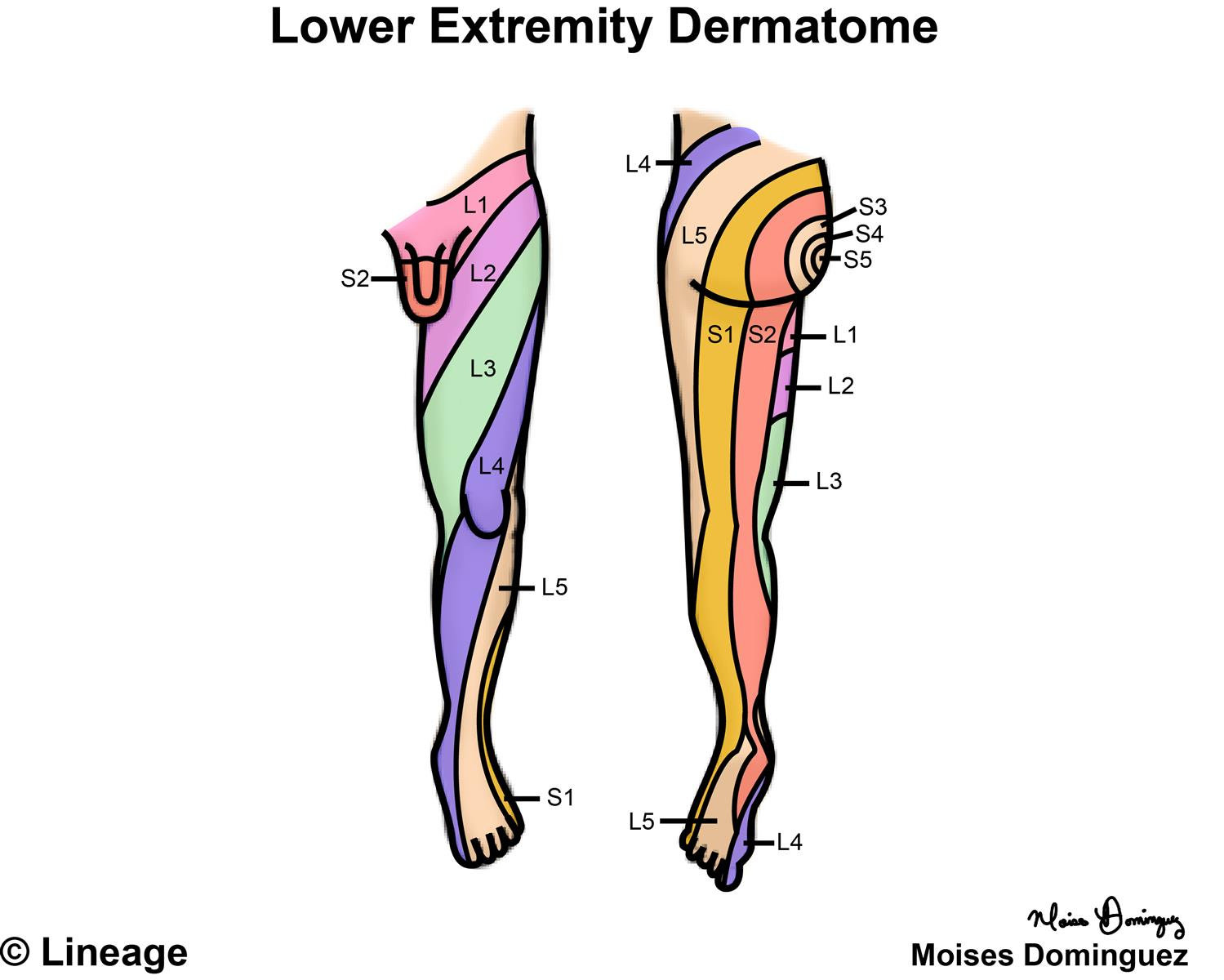
Tag: what are the dermatomes of the lower limb

  • Lower Body Dermatome Map
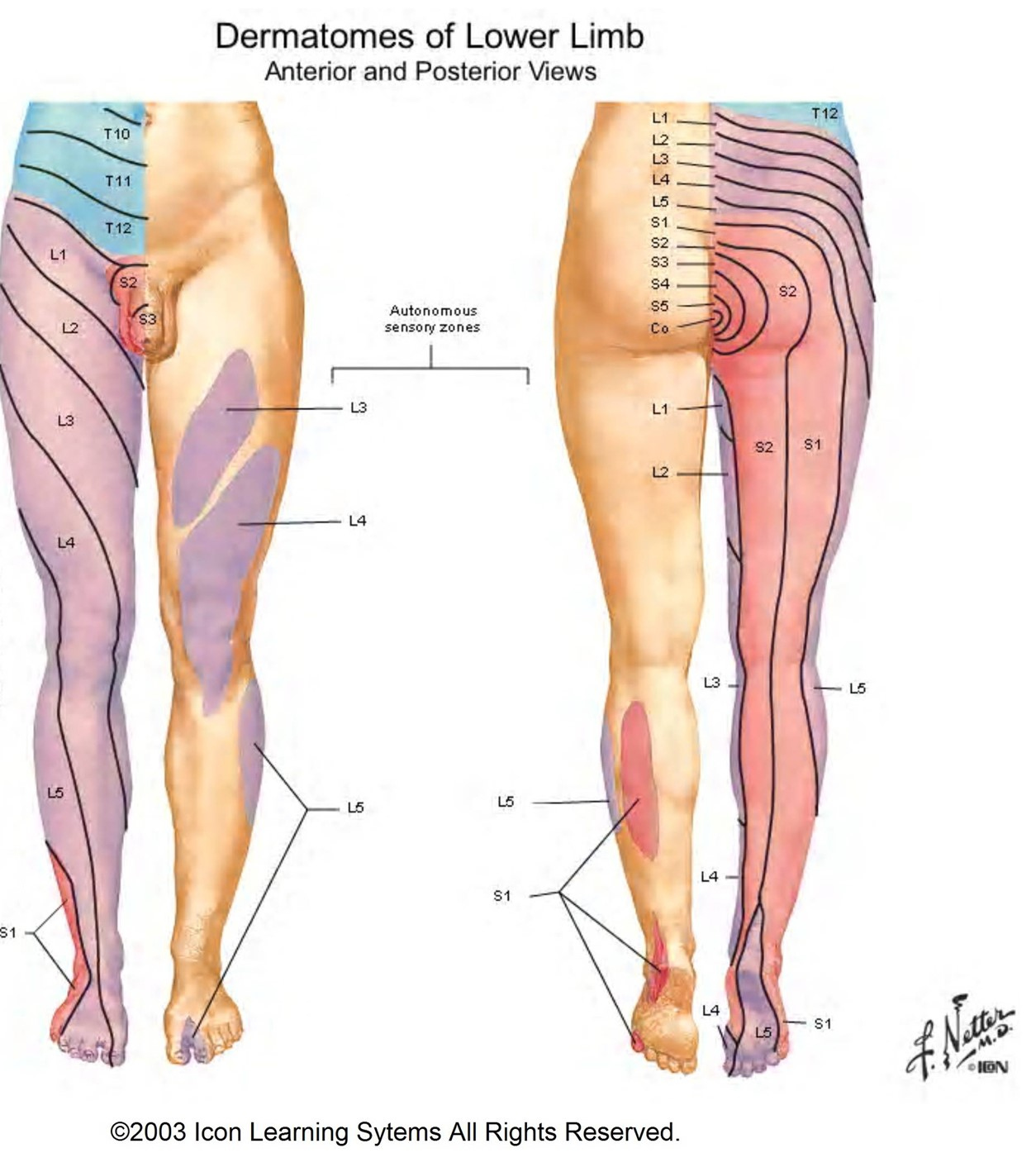
    Lower Body Dermatome Map

    Lower Body Dermatome Map – If you’ve ever wanted to know how the human dermatome map will look, you’re in the right spot. Before we get to an image, it’s important to look at what a dermatome is. What are the different kinds? The most important thing is why is it necessary to learn about dermatomes in order to understand the human body. Read on to find out more. You might be amazed! Here are some examples of dermatomes.

    Pin On DERMATOMES

    Pin On DERMATOMES

    What is a Dermatome?

    “dermatome,” or “dermatome” refers to a tissue that is a part of the spinal cord. Dermatomes can help physicians to build models of the cord, which are useful for diagnosis. Two major maps are accepted by medical specialists. These are: the Keegan and Garret map and the Foerster map. These maps were created in the 1930s and are still often employed. The trigeminal nerve , as well as the maxillary nerve are the largest dermatomes.

    Dermatomes are skin-like areas that are attached to a particular nerve. In cases of spinal injury, the pain could be felt in a dermatome that is surrounded by the nerve. The same is true for the pain caused by shingles outbreaks is felt by specific spinal nerves. If you experience a discomfort or neurological issue involving the dermatome area, you must consult a physician.

    ALSO READ:[show-list showpost=5 category=”dermatome-map” sort=sort]

    What are Some Examples of Dermatomes?

    A dermatome is a segment of skin that is provided by the spinal nerve. These nerves carry motor, sensory, and autonomic messages. They form an element of the peripheral nervous system, which connects the brain and all the body. A dermatome may get affected because of a spinal cord lesion. If one of these dermatomes gets injured, it is able to be easily treated with local anesthetic.

    The dermatomes of the thoracic region are identified with letter-number combinations that show the connection between the area and the sensory nerve which supplies that area. For instance, the C1 spinal nerve does not have a dermatome. However, the other spinal nerves are identified as C1-C8 and T9 refers to belly button. Dermatomes are laid horizontally along the trunk, and dermatomes located on the extremities tend to be in a longitudinal.

    Dermatome Map

    Dermatome maps are a common feature of textbooks that teach anatomy. The dermatome map is inconsistency both within and inter-textbook. Its name isn’t consistent and certain textbooks have different maps on various pages. This is especially problematic when the authors of different chapters differ in their choice of dermatome map. Most textbooks use Maps of Foerster, Keegan, and Garrett but don’t include appropriate references. Additionally, four textbooks employ maps that do not have citations, such as one that uses only secondary sources.

    The dermatome is the area of the skin that receives sensory information from the dorsal branch of one spinal nerve. Dermatomes aren’t uniformly found, but they tend to dip lower than horizontally. This is a natural variation and certain tissues may be covered by multiple dermatomes. Furthermore, dorsal spinal rootlets may be anastomosed with intrathecal intersegmental sensory neurons in the dorsal limbs.

    Lower Body Dermatome Map – Dermatome Map

    Dermatomes And Myotomes Sensation Anatomy Geeky Medics

    Dermatomes And Myotomes Sensation Anatomy Geeky Medics

    Dermatomes And Myotomes

    Dermatomes And Myotomes

    How Do Dermatomes Work Map Myotomes Vs Dermatomes Sensory Nerves

    How Do Dermatomes Work Map Myotomes Vs Dermatomes Sensory Nerves

  • Dermatome Map Lower Extremity

    Dermatome Map Lower Extremity

    Dermatome Map Lower Extremity – If you’ve ever wanted to know what the human dermatome map will look, you’re in the right place. Before we look at the map, let’s take a look at the definition of a dermatome. What are the various kinds? The most important thing is why is it necessary to know about dermatomes in order to better understand how the body works. Continue reading to learn more. You may be surprised! Here are some examples of dermatomes.

    Lower Extremity Dermatomes And Myotomes Google Search Physical

    Lower Extremity Dermatomes And Myotomes Google Search Physical

    What is a Dermatome?

    “dermatome,” or “dermatome” refers to a tissue that covers the spinal cord. Dermatomes help doctors to construct images of spinal cord, which help in diagnosing. Two major maps are accepted by medical experts. These are: the Keegan and Garret map and the Foerster map. These maps were created in the 1930s and are widely employed. The trigeminal nerve and the maxillary nerves are the two largest dermatomes.

    Dermatomes are skin-like areas which are connected to a particular nerve. In cases of spinal injuries, pain may be felt in a dermatome which is connected to that nerve. The same is true for the pain caused by shingles outbreaks can be felt in particular spinal nerves. If you are experiencing neurologic condition or pain that involves the dermatome, you should see a doctor.

    ALSO READ:[show-list showpost=5 category=”dermatome-map” sort=sort]

    What are Some Examples of Dermatomes?

    Dermatomes are segments of skin supplied by the spinal nerve. These nerves carry motor, sensory, and autonomic messages. They form an element of the peripheral nerve system, that connects the brain to the all the body. A dermatome may suffer from a spinal cord lesion. When one of these dermatomes becomes injured, it can be treated easily with a local anesthetic.

    The dermatomes of the thoracic area are marked by letter-number combinations, which show how the region is connected and the sensory nerve that supplies this area. For instance, the C1 spinal nerve doesn’t have a dematome, however those spinal nerves that are labeled C1-C8 T9, which corresponds to belly button. Dermatomes are layered in horizontally along the trunk, while dermatomes on the extremities tend to be longitudinal.

    Dermatome Map

    Dermatome maps are the most common element in textbooks that teach anatomy. However, the dermatome map is inconsistency both within and inter-textbook. The name is not consistent and some textbooks include different maps on various pages. This is particularly problematic when the authors of several chapters disagree on the choice of dermatome maps. Most textbooks use maps of Foerster, Keegan, and Garrett however, they do not provide the proper references. Furthermore, four textbooks make use of maps with no citations. This includes one that cites only secondary sources.

    The dermatome is the area of skin that receives sensory input from the dorsal root of one spinal nerve. Dermatomes aren’t evenly found, but they tend to dip lower than horizontally. This is a natural variation and some tissues may be covered by multiple dermatomes. In addition to this dorsal spinal nerve roots may have intrathecal intersegmental anastomoses to sensory neurons from the dorsal limbs.

    Dermatome Map Lower Extremity – Dermatome Map

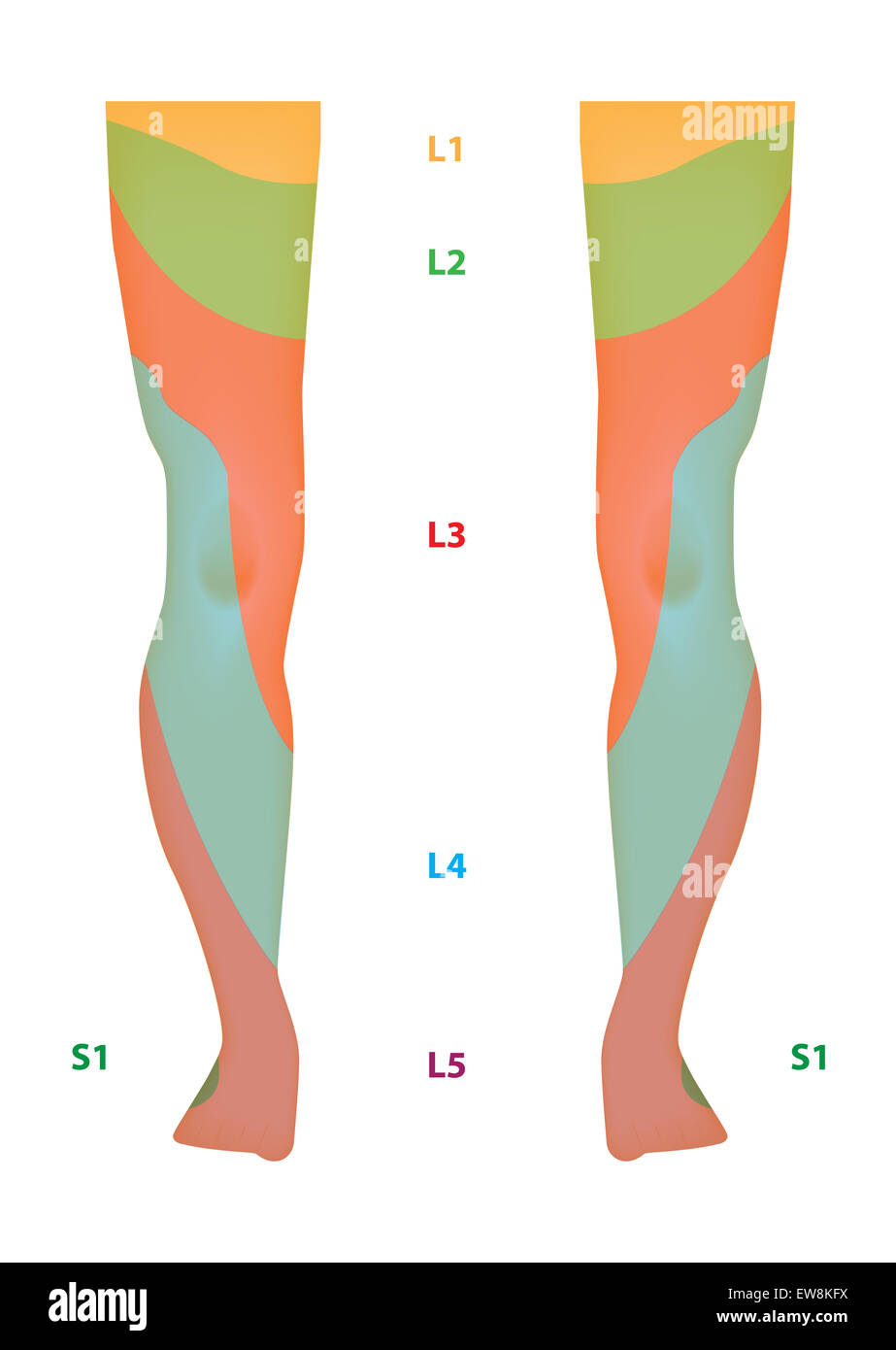
    Dermatome Map Of The Lower Limb Stock Photo Alamy

    Dermatome Map Of The Lower Limb Stock Photo Alamy

    Dermatomes Neurology Medbullets Step 1

    Dermatomes Neurology Medbullets Step 1

    Dermatomes Of Lower Limb Great Toe L4 reflexology reflexology

    Dermatomes Of Lower Limb Great Toe L4 reflexology reflexology

  • Lower Extremity Dermatome Map

    Lower Extremity Dermatome Map

    Lower Extremity Dermatome Map – If you have ever wondered how the human dermatome chart looks, you’ve come to the right spot. Before we move on to our map, we’ll talk about the definition of a dermatome. What are the various kinds? Most importantly, why is it essential to understand dermatomes in order to comprehend how the body works. Continue reading to learn more. You might be amazed! Here are some examples of dermatomes.

    Dermatomes Of Lower Limb Great Toe L4 Reflexology Foot Map

    Dermatomes Of Lower Limb Great Toe L4 Reflexology Foot Map

    What is a Dermatome?

    “dermatome,” or “dermatome” refers to a tissue that covers the spinal cord. Dermatomes are important in allowing doctors to develop diagrams of the spine, which are useful for diagnosis. Two maps are widely accepted by medical professionals. These are: the Keegan and Garret map and the Foerster map. The maps were designed in the 1930s and are still commonly utilized. The trigeminal nerve and the maxillary nerve are the largest dermatomes.

    Dermatomes are skin-like areas that are linked to a specific nerve bundle. In cases of spinal cord injuries, pain may be felt in a dermatome, which is controlled by the nerve. In the same way, the pain triggered by an outbreak of shingles can be felt in specific spinal nerves. If you experience a nerve pain or neurological problem affecting the dermatome region, you need to consult with a physician.

    ALSO READ:[show-list showpost=5 category=”dermatome-map” sort=sort]

    What are Some Examples of Dermatomes?

    Dermatomes are the segments of skin that is provided by only one spinal nerve. These nerves provide motor, sensory and autonomic messages. They form an element of the peripheral nervous system that connects the brain to the all the body. Dermatomes can become affected due to a spinal cord injury. If one of these becomes injured, it could be treated easily with an local anesthetic.

    The dermatomes of the thoracic area are marked using letter-number sequences that demonstrate the relationship between the area and the sensory nerve that supplies that area. For instance C1 spinal nerve does not possess a dermatome, however those spinal nerves that are labeled C1 – C8 T9, which corresponds with the belly button. Dermatomes are laid horizontally along the trunk, however, dermatomes on the extremities are typically in a longitudinal.

    Dermatome Map

    Dermatome maps are an integral part of textbooks that cover anatomy. However, the dermatome map is inconsistency both within and inter-textbook. Its naming is inconsistent as are some textbooks that have distinct maps on different pages. This is especially problematic when the authors of different chapters are not unified in their choice of dermatome map. Many textbooks use the Maps of Foerster, Keegan, and Garrett but don’t include adequate references. In addition, four textbooks utilize maps with no citations, and one of them is one that uses only secondary sources.

    Dermatomes are the areas of skin that receives sensory input from the dorsal root of one spinal nerve. The dermatomes are not uniformly situated, but they tend to dip more inferiorly than horizontally. This is a normal variation and certain tissues have more than one. Furthermore dorsal spinal nerve roots may be anastomosed with intrathecal intersegmental sensory neurons that originate from the dorsal limbs.

    Lower Extremity Dermatome Map – Dermatome Map

    Dermatomes Neurology Medbullets Step 1

    Dermatomes Neurology Medbullets Step 1

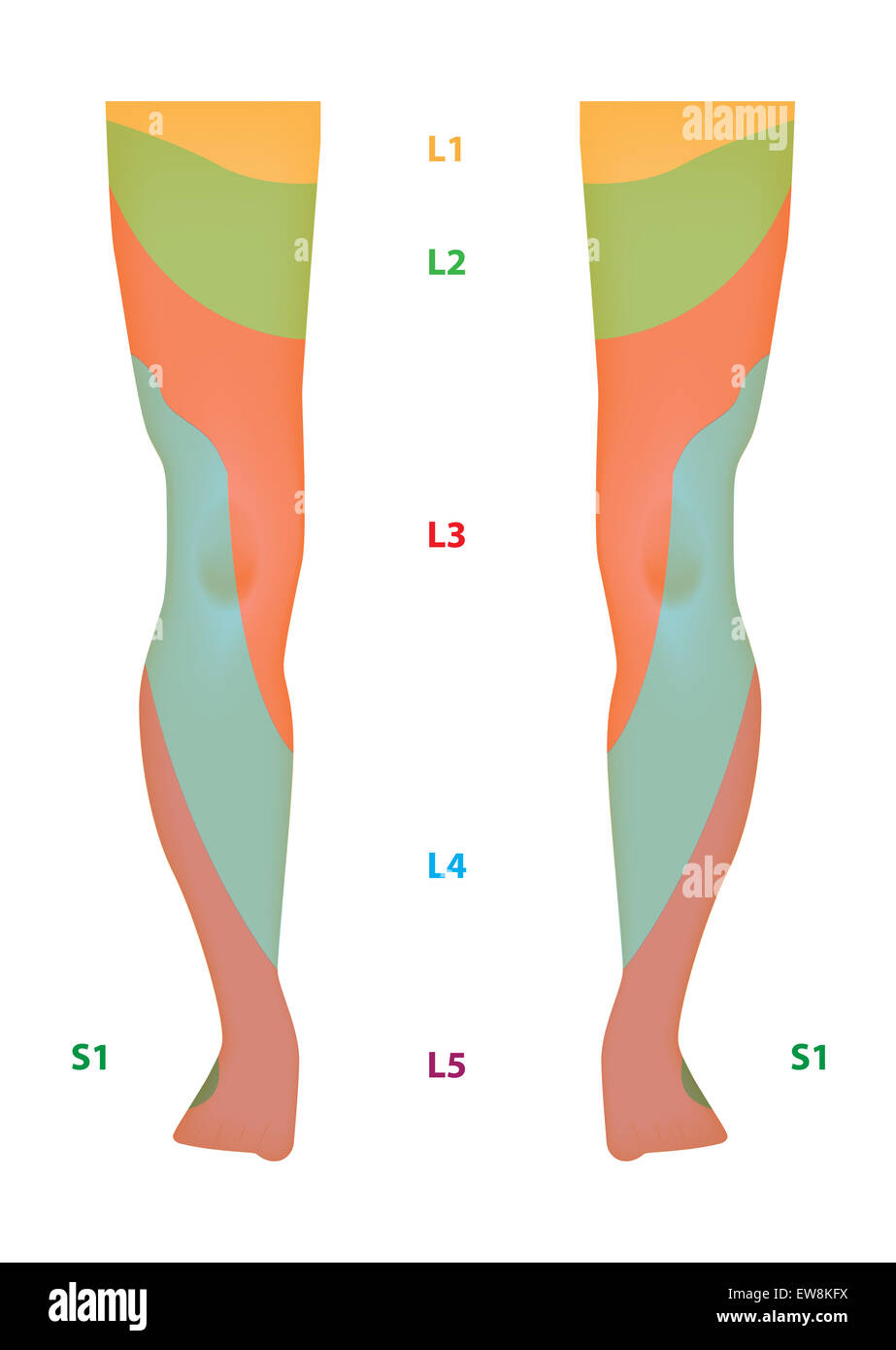
    Dermatome Map Of The Lower Limb Stock Photo Alamy

    Dermatome Map Of The Lower Limb Stock Photo Alamy

    Dermatomes Of Lower Limb Great Toe L4 Physical Therapy School

    Dermatomes Of Lower Limb Great Toe L4 Physical Therapy School

  • Dermatome Map Lower Limb

    Dermatome Map Lower Limb

    Dermatome Map Lower Limb – If you’ve ever wondered what the human dermatome map will look, you’re in the right place. Before we get to an image, it’s important to take a look at what a dermatome is. What are the different kinds? And, most importantly, why is it important to understand dermatomes in order to better understand our body. Continue reading to learn more. You might be amazed! Here are some examples of dermatomes.

    Dermatomes Neurology Medbullets Step 1

    Dermatomes Neurology Medbullets Step 1

    What is a Dermatome?

    “dermatome” or “dermatome” refers to a tissue that is a part of the spine. Dermatomes are important in allowing doctors to develop diagrams of the spine, which can be useful in diagnosing. Two major maps are recognized by medical professionals. These are: the Keegan and Garret map and the Foerster map. These maps were made in the 1930s, and are commonly employed. The trigeminal nerve and the maxillary nerve are among the most extensive dermatomes.

    Dermatomes are skin regions that are linked to a specific nerve. In the case of spinal cord injury, pain may be felt in a dermatome, which is controlled by the nerve. Similarly, the pain caused by an outbreak of shingles can be felt on specific spinal nerves. If you feel pain or neurological condition involving the dermatome, it is recommended that you consult a physician.

    ALSO READ:[show-list showpost=5 category=”dermatome-map” sort=sort]

    What are Some Examples of Dermatomes?

    A dermatome is a segment of skin that is provided by the spinal nerve. These nerves provide sensory, motor and autonomic information. They form an element of the peripheral nerve system that connects the brain to the other parts of the body. A dermatome may be affected by a spinal lesion. If one of these dermatomes becomes injured, it can be treated easily with a local anesthetic.

    Dermatomes in the thoracic region are identified using letter-number sequences that demonstrate the connection between the region and the sensory nerve that supplies this area. For example, the C1 spinal nerve does not have a dematome, however the other spinal nerves are labeled C1 – C8 and T9 refers to the belly button. Dermatomes are laid horizontally on the trunk, however, dermatomes in the extremities are usually long.

    Dermatome Map

    The dermatome map is an integral part of textbooks teaching anatomy. The dermatome map is inconsistent both intra and inter-textbook. Its name isn’t consistent as are some textbooks that have different maps on various pages. This is particularly problematic when the authors of several chapters do not agree on the selection of dermatome map. The majority of textbooks utilize the map of Foerster, Keegan, and Garrett however, they do not provide proper references. Furthermore, four textbooks make use of maps with no citations. This includes one that uses only secondary sources.

    Dermatomes are the areas of skin that receives sensory input from the dorsal roots of one spinal nerve. Dermatomes aren’t always evenly located, but they tend to dip more inferiorly than horizontally. This is an inherent variation and certain tissues have more than one. In addition to this dorsal spinal nerve roots may be anastomosed with intrathecal intersegmental sensory neurons from the dorsal parts of the limbs.

    Dermatome Map Lower Limb – Dermatome Map

    Dermatomes Of Lower Limb Great Toe L4 Physical Therapy School

    Dermatomes Of Lower Limb Great Toe L4 Physical Therapy School

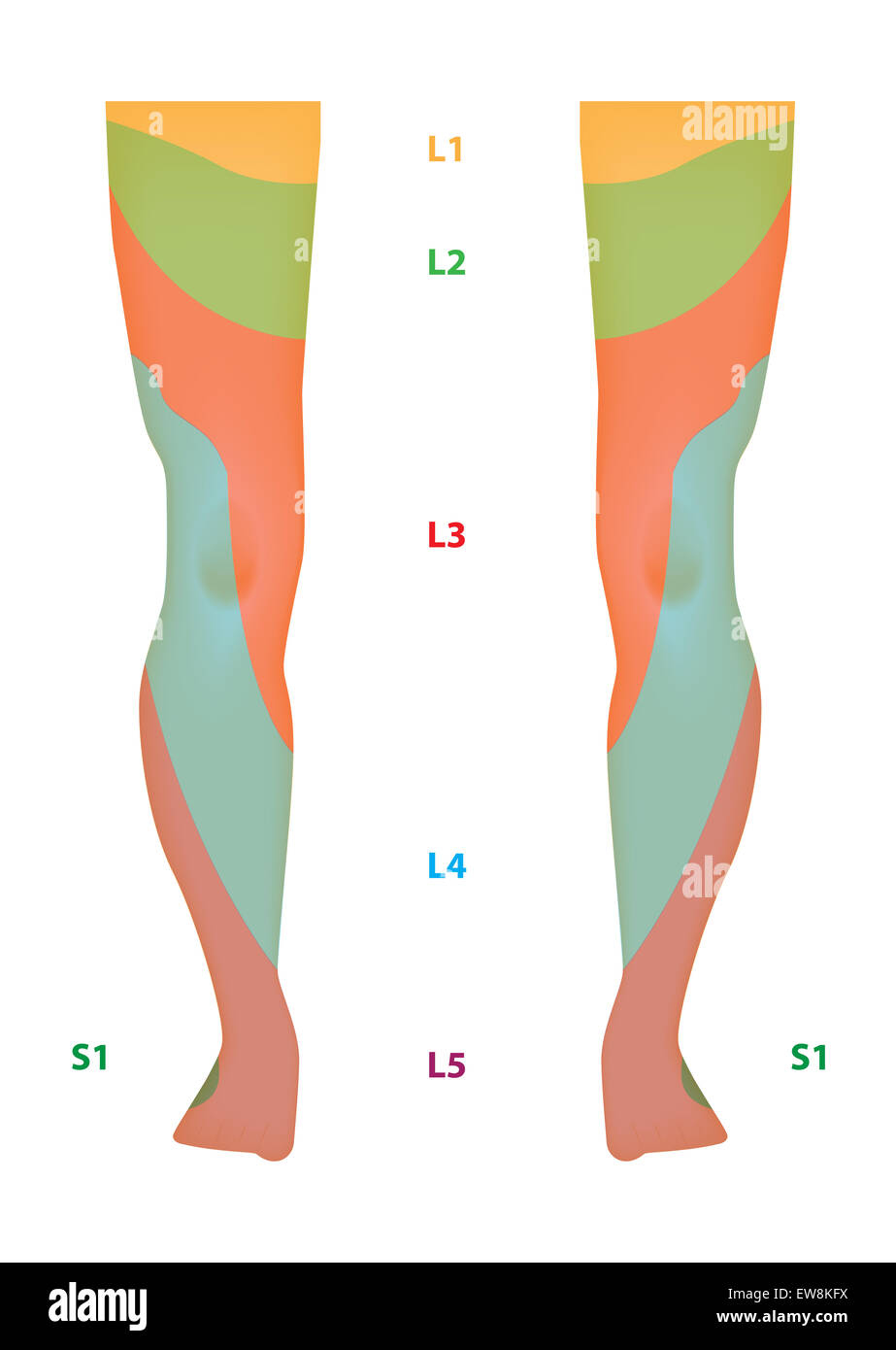
    Dermatome Map Of The Lower Limb Stock Photo Alamy

    Dermatome Map Of The Lower Limb Stock Photo Alamy

    Dermatomes Of Lower Limb Great Toe L4 Reflexology Foot Map

    Dermatomes Of Lower Limb Great Toe L4 Reflexology Foot Map

  • Dermatome Map Of Lower Extremity

    Dermatome Map Of Lower Extremity

    Dermatome Map Of Lower Extremity – If you’ve ever wondered how the human dermatome chart looks, you’ve come to the right place. Before we get to the map, let’s discuss what is a dermatome. What are the different types? And most importantly, why is it important to be aware of dermatomes order to know more about how the body works. Read on to find out more. You might be amazed! Here are some examples of dermatomes.

    Dermatomes And Myotomes

    Dermatomes And Myotomes

    What is a Dermatome?

    “dermatome,” or “dermatome” refers to a tissue that is a part of your spinal cord. Dermatomes are important in allowing doctors to develop maps of the spinal cord that aid in the diagnosis. Two maps are widely accepted by medical professionals. They are the Keegan and Garret map and the Foerster map. The maps were designed in the 1930s and are widely used. The trigeminal nerve and the maxillary nerve are the largest dermatomes.

    Dermatomes are areas of skin which are connected to a specific nerve. In the case of spinal cord injury, pain can be felt in a dermatome, which is surrounded by the nerve. The same is true for the pain caused by an outbreak of shingles is felt by specific spinal nerves. If you feel neurologic condition or pain that involves the dermatome, you should consult with a physician.

    ALSO READ:[show-list showpost=5 category=”dermatome-map” sort=sort]

    What are Some Examples of Dermatomes?

    Dermatomes are a part of skin supplied by only one spinal nerve. The nerves transmit motor, sensory and autonomic signals. They form part of the peripheral nerve system, which connects the brain and rest of the body. A dermatome may be affected by a spinal cord lesion. When one of these dermatomes is injured, it can be easily treated with an local anesthetic.

    The dermatomes of the thoracic region have been labeled by letter-number combinations, which show the relationship between the area along with the sensor nerve which supplies the area. For example the C1 spinal nerve does not possess a dermatome, however the other spinal nerves are labeled as C1-C8 T9, which corresponds to the belly button. Dermatomes are layered vertically on the trunk and dermatomes located on the extremities are typically longitudinal.

    Dermatome Map

    The dermatome map is a common feature of textbooks that teach anatomy. The dermatome map is inconsistency both within and inter-textbook. The names are inconsistent and certain textbooks have various maps on different pages. This is especially problematic in the event that the authors of various chapters disagree on the choice of dermatome maps. A majority of textbooks employ the map of Foerster, Keegan, and Garrett however they don’t provide appropriate references. In addition, four textbooks utilize maps that do not have citations, such as one that only cites secondary sources.

    Dermatomes are the parts of skin that receives sensory stimulation from the dorsal roots of one spinal nerve. Dermatomes aren’t always evenly placed, however they tend to dip less inferiorly than horizontally. This is a normal variation and some tissues are covered by more than one dermatome. Also dorsal spinal rootlets could be anastomosed with intrathecal intersegmental sensory neurons from the dorsal limbs.

    Dermatome Map Of Lower Extremity – Dermatome Map

    Dermatomes Of Lower Limb Great Toe L4 Reflexology Physical

    Dermatomes Of Lower Limb Great Toe L4 Reflexology Physical

    Dermatome Map Of The Lower Limb Stock Photo Alamy

    Dermatome Map Of The Lower Limb Stock Photo Alamy

    Dermatomes Of Lower Limb Great Toe L4 Reflexology Foot Map

    Dermatomes Of Lower Limb Great Toe L4 Reflexology Foot Map